
In the world of precision measurement, tools come in many forms, each designed to serve a specific purpose. One such indispensable tool is the protractor gauge a device that allows users to measure and transfer angles with high accuracy. Whether you’re a carpenter, machinist, engineer, or DIY enthusiast, understanding how to use a protractor gauge can greatly enhance the quality and precision of your work.
What Is a Protractor Gauge?
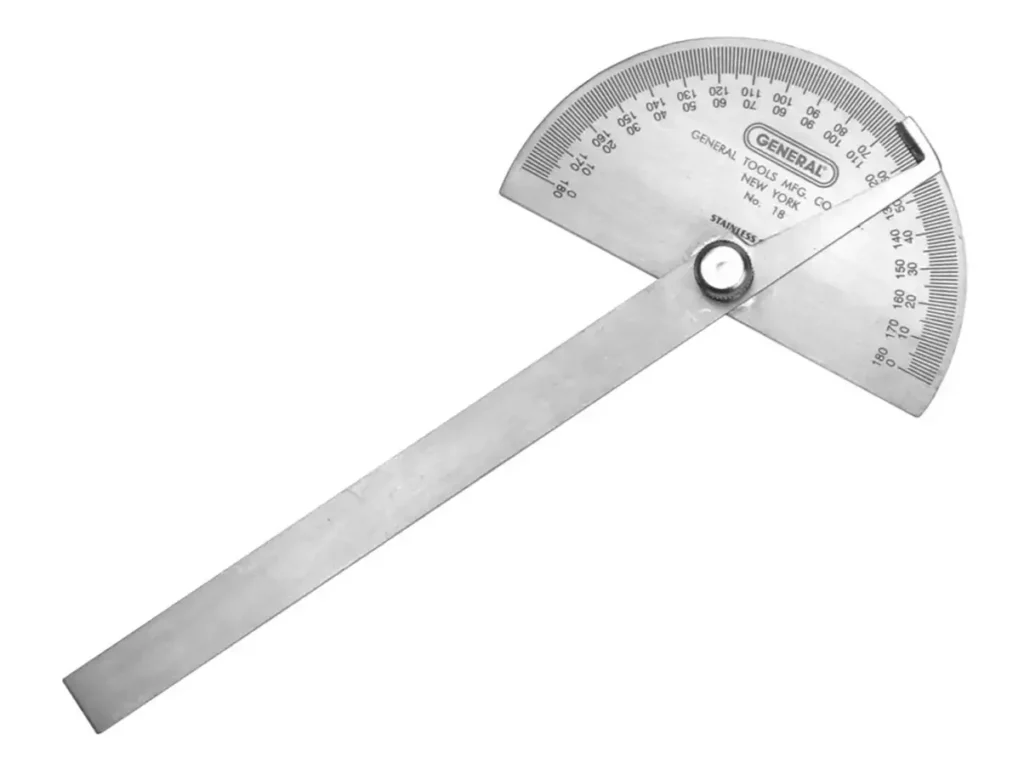
A protractor gauge, also known as an adjustable protractor or sliding T-bevel gauge, is a measuring instrument used to determine and replicate angles. It typically consists of two arms connected by a hinge one arm is fixed, while the other is adjustable. The adjustable arm can be rotated to match a desired angle, which is then locked in place using a tightening screw or nut. Most modern protractor gauges feature a graduated scale marked in degrees, allowing for precise readings.
How Does It Work?
Using a protractor gauge is relatively straightforward:
- Positioning: Place the gauge against the surface where the angle needs to be measured or transferred.
- Adjustment: Loosen the locking mechanism and rotate the adjustable arm until it aligns with the angle you want to measure.
- Locking: Once aligned, tighten the locking screw to secure the angle.
- Transfer or Measurement: You can now use the gauge to mark the same angle on another surface or read the degree measurement from the scale.
Some digital protractor gauges offer even greater precision, displaying exact angle measurements on an LCD screen. These are especially useful in industrial and engineering applications where fractions of a degree matter.
Applications Across Industries
Protractor gauges are widely used across various fields:
- Woodworking and Carpentry: For cutting crown molding, creating miter joints, or setting saw blades to specific angles.
- Metalworking: To check angles on machined parts or set up tools and fixtures accurately.
- Engineering and Architecture: In design and drafting, ensuring that plans adhere to specified angular dimensions.
- Education: As a teaching aid in geometry and technical drawing classes.
Benefits of Using a Protractor Gauge
- Accuracy: Ensures precise angle measurement and replication.
- Versatility: Can be used on a wide range of materials including wood, metal, and plastic.
- Durability: Often made from robust materials like stainless steel or aluminum, making them long-lasting.
- Ease of Use: Simple design allows for quick setup and measurement without complex calibration.
Conclusion
The protractor gauge may seem like a simple tool, but its importance in achieving accurate angular measurements cannot be overstated. Whether you’re working on a fine woodworking project or a precision engineering task, having a reliable protractor gauge in your toolkit can make all the difference. Investing in a high-quality model whether analog or digital will ensure consistent results and help elevate the professionalism of your work.
So next time you find yourself needing to measure or duplicate an angle, don’t reach for guesswork. Grab your protractor gauge and get it right the first time.


