

CAM tool path lies at the heart of Computer-Aided Manufacturing (CAM), serving as the critical component that transforms digital designs into physical parts with the precision, speed, and efficiency demanded by today’s fast-paced manufacturing industries. Whether in aerospace, automotive, medical devices, or custom fabrication, CAM has become indispensable for staying competitive relying on optimized tool paths… Continue reading CAM tool path
Month: March 2025
Coordinate measuring machines

In industries where precision is paramount, Coordinate Measuring Machines (CMMs) stand as indispensable tools for ensuring quality, accuracy, and consistency. These advanced metrology systems measure the geometry of physical objects by sensing discrete points on their surfaces, enabling manufacturers to verify compliance with design specifications. From aerospace components to microelectronics, CMMs play a critical role… Continue reading Coordinate measuring machines
Industrial robot

In today’s rapidly evolving industrial landscape, automation has become a cornerstone of efficiency, precision, and scalability. At the heart of this transformation are industrial robots, which have revolutionized manufacturing processes across industries. From automotive assembly lines to electronics production, these machines perform tasks with unmatched speed, accuracy, and consistency. But did you know there are… Continue reading Industrial robot
CAM Post Processor

In the intricate world of computer-aided manufacturing (CAM), the post-processor stands as a silent hero, bridging the gap between digital design and physical production. This essential tool transforms complex toolpaths into machine-specific instructions (G-Code), ensuring your CNC equipment operates efficiently and accurately. Understanding CAM Post-Processor A CAM post-processor is software that converts the output from… Continue reading CAM Post Processor
CAM programming

In today’s manufacturing world, CAM programming: turning a digital design into a precision-machined part requires seamless collaboration between CAD (Computer-Aided Design) and CAM (Computer-Aided Manufacturing) software. Whether you’re a hobbyist or a professional, understanding how to generate a CNC program from a CAD drawing is a game-changer. Let’s break down the process and explore how… Continue reading CAM programming
Spindle function
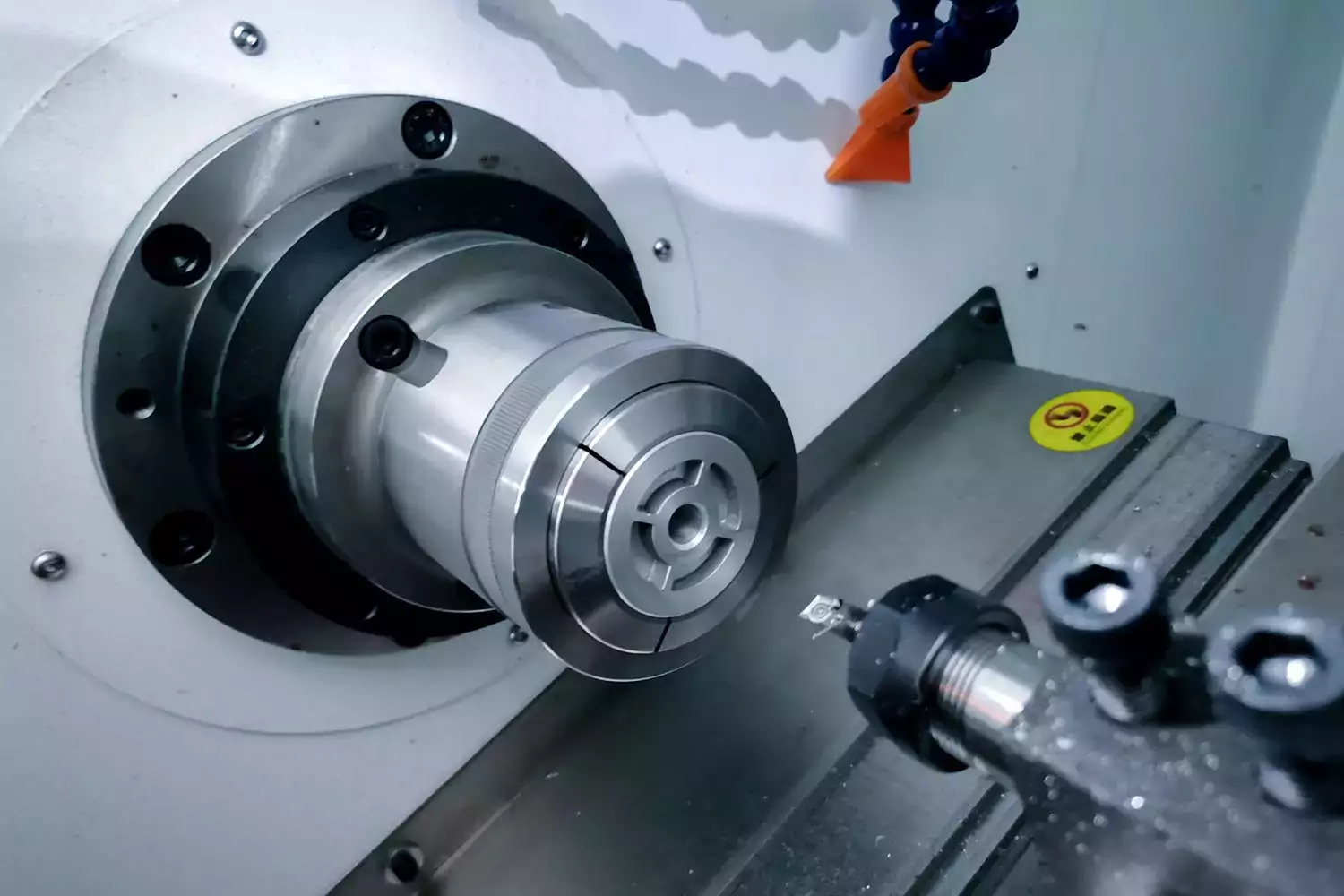
CNC programming is the backbone of precision machining, and at its core lies the effective control of the spindle. The spindle, responsible for rotating the cutting tool or workpiece, is governed by specific commands and parameters in CNC programs. Properly programming spindle functions ensures optimal performance, tool longevity, and part quality. In this post, we’ll… Continue reading Spindle function
Micrometer

In machining and manufacturing, the micrometer is the ultimate symbol of precision where even a micron-level error can spell disaster for aerospace components, automotive parts, or intricate tools. As a cornerstone of metrology, the micrometer screw gauge steps in to ensure perfection. Let’s explore why this unassuming tool remains indispensable for machinists and quality control… Continue reading Micrometer
G05 non standard G-code

The G05 G-code is a non-standard, machine-specific command that varies by CNC manufacturer and control system. Unlike standard G-codes (e.g., G00 for rapid movement or G01 for linear interpolation), G05 is not universally defined and may perform different functions depending on the machine tool or controller. Here’s a breakdown of its potential uses: Common Applications… Continue reading G05 non standard G-code
Optocoupler

Optocoupler, also known as opto-isolator, are electronic components that transfer electrical signals between isolated circuits using light. In the realm of electronics, where safety and reliability are paramount, these devices act as silent guardians by bridging signals across isolation barriers while blocking harmful voltages or noise. Let’s explore how this tiny yet critical component makes… Continue reading Optocoupler
Feed rate function

Feed rate is a critical parameter that dictates how efficiently and effectively a workpiece is transformed into a finished product, In the precision-driven world of CNC machining. Whether you’re optimizing for speed, surface finish, or tool longevity, understanding the feed rate function is essential. Let’s dive into what it means, why it matters, and how… Continue reading Feed rate function
Variable Frequency Drive

Variable frequency drive is electronic device that converts a (more or less) fixed frequency and voltage into a variable frequency and voltage. This device allows electric motors to be operated with a variable speed. A Deep Dive into Variable Frequency Drive (VFD) In today’s industrial and commercial landscapes, energy efficiency and precision control are not… Continue reading Variable Frequency Drive
Peck drilling cycle

Peck drilling cycle is a critical technique in CNC machining, especially for creating deep, precise holes while managing chip evacuation and tool longevity. Unlike standard drilling, which involves continuous cutting, peck drilling breaks the process into incremental steps, ensuring efficient material removal and reducing heat buildup. Let’s dive into the details of this essential cycle.… Continue reading Peck drilling cycle