

Introduction In CNC programming, precision is paramount. A single misplaced decimal point or an incorrect unit of measurement can lead to costly errors, scrapped parts, or even machine damage. Two critical G-codes G20 and G21 form the foundation of dimensional accuracy by defining the unit system used throughout a CNC program. These codes ensure consistency… Continue reading G20 and G21 in CNC Programming
Tag: #GCode
Pattern repeating cycle
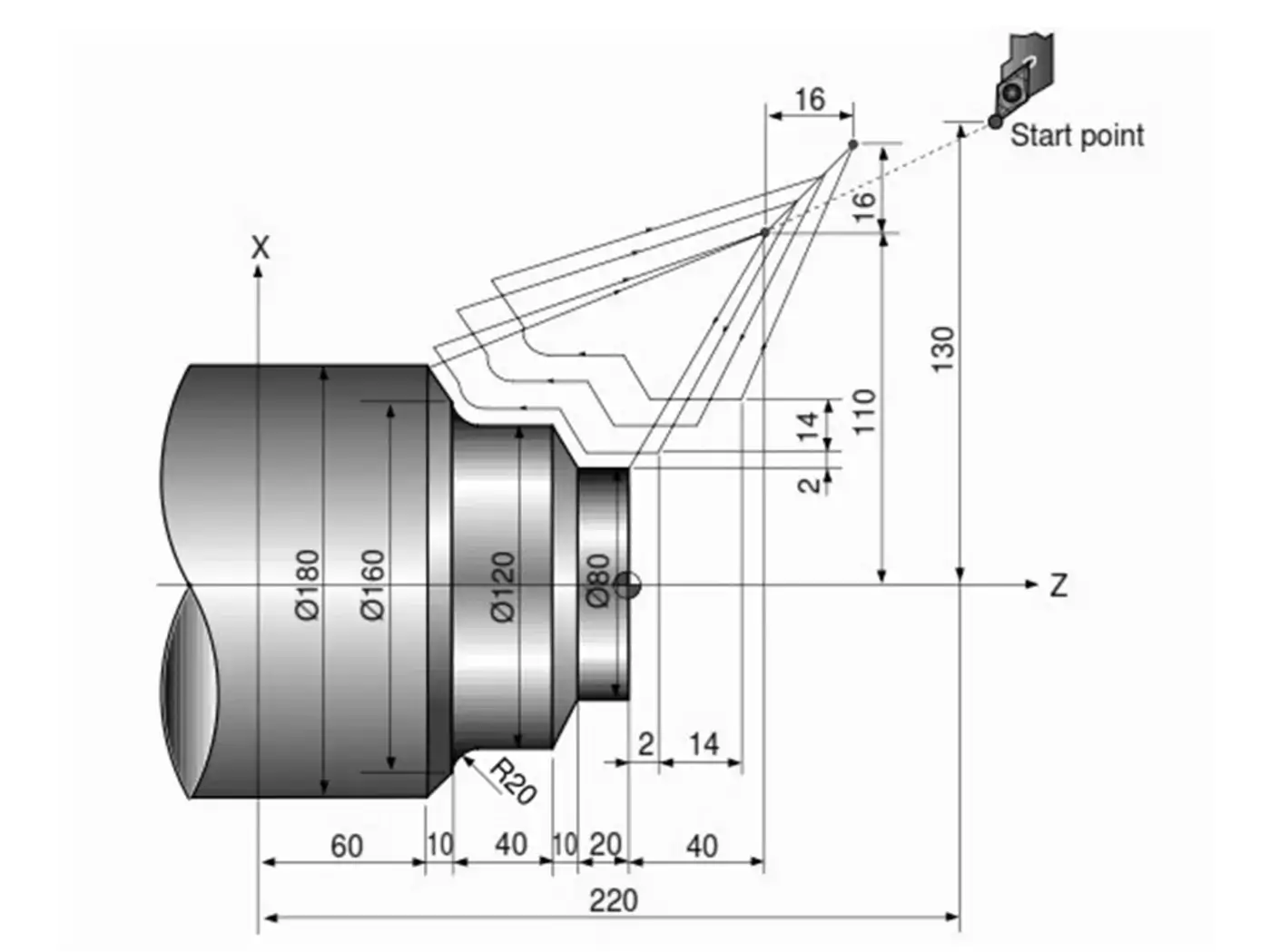
Pattern repeating cycles are indispensable tools in CNC machining, enabling programmers to replicate complex features—like grooves, threads, or contours—across a workpiece with precision and efficiency. By automating repetitive tool paths, these cycles reduce programming time, minimize errors, and ensure consistency. In this blog, we’ll explore how pattern repeating cycles function on three major CNC control… Continue reading Pattern repeating cycle
Rough turning cycle

Rough turning is a foundational process in CNC machining, where excess material is rapidly removed to shape a workpiece close to its final dimensions. Efficient rough turning minimizes cycle time, reduces tool wear, and prepares the part for finishing. Central to this process is the rough turning cycle, a programmed routine that automates tool paths… Continue reading Rough turning cycle
Grooving cycle

In CNC turning, grooving cycle isessential for creating precise recesses on cylindrical parts. The cycle automates repetitive operations, saving time and ensuring consistency. While the core concept remains the same across CNC controls, the syntax and programming structure vary between Fanuc, Sinumerik, and Heidenhain systems. This blog breaks down the syntax for each control and… Continue reading Grooving cycle
Facing cycle (Turning cycle)

In CNC turning, a facing cycle is a critical operation for creating flat, perpendicular surfaces on the end of a workpiece. Whether you’re roughing or finishing, canned cycles simplify programming, reduce errors, and boost efficiency. This post explores how to implement facing cycles on three major CNC platforms: Fanuc, Siemens Sinumerik, and Heidenhain. What is… Continue reading Facing cycle (Turning cycle)
G05 non standard G-code

The G05 G-code is a non-standard, machine-specific command that varies by CNC manufacturer and control system. Unlike standard G-codes (e.g., G00 for rapid movement or G01 for linear interpolation), G05 is not universally defined and may perform different functions depending on the machine tool or controller. Here’s a breakdown of its potential uses: Common Applications… Continue reading G05 non standard G-code
Plane selection
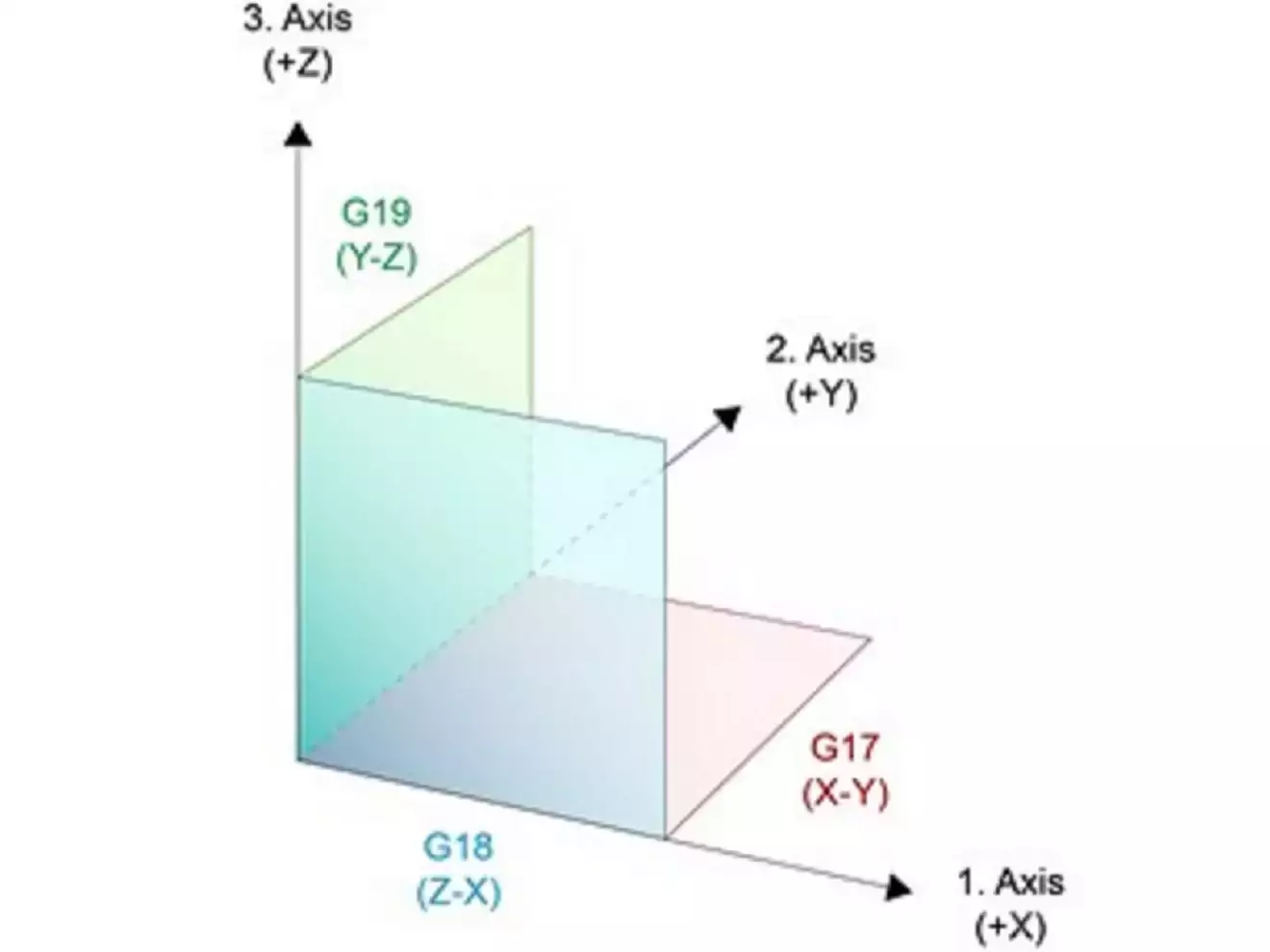
When programming CNC machines, selecting the correct plane is especially critical during circular interpolation operations. While linear movements can often be executed without changing planes, circular interpolations require a specific plane to define the arc’s orientation. This post will explore the importance of plane selection during circular interpolation and provide guidance on how to implement… Continue reading Plane selection
Cutter compensation

Cutter compensation in CNC (Computer Numerical Control) machines is a crucial feature that ensures precise machining by accounting for the size of the cutting tool. This allows the machine to adjust the tool path so that the final machined part matches the intended design, regardless of the cutter’s diameter. There are two primary types of… Continue reading Cutter compensation
DWELL

Understanding the Dwell Function in CNC Machines In CNC (Computer Numerical Control) programming, every command serves a specific purpose to ensure precise and efficient machining. One such command is the Dwell function, which plays a crucial role in controlling the machine’s behavior during operations. Let’s dive into what the Dwell function is, how it works,… Continue reading DWELL
Interpolation
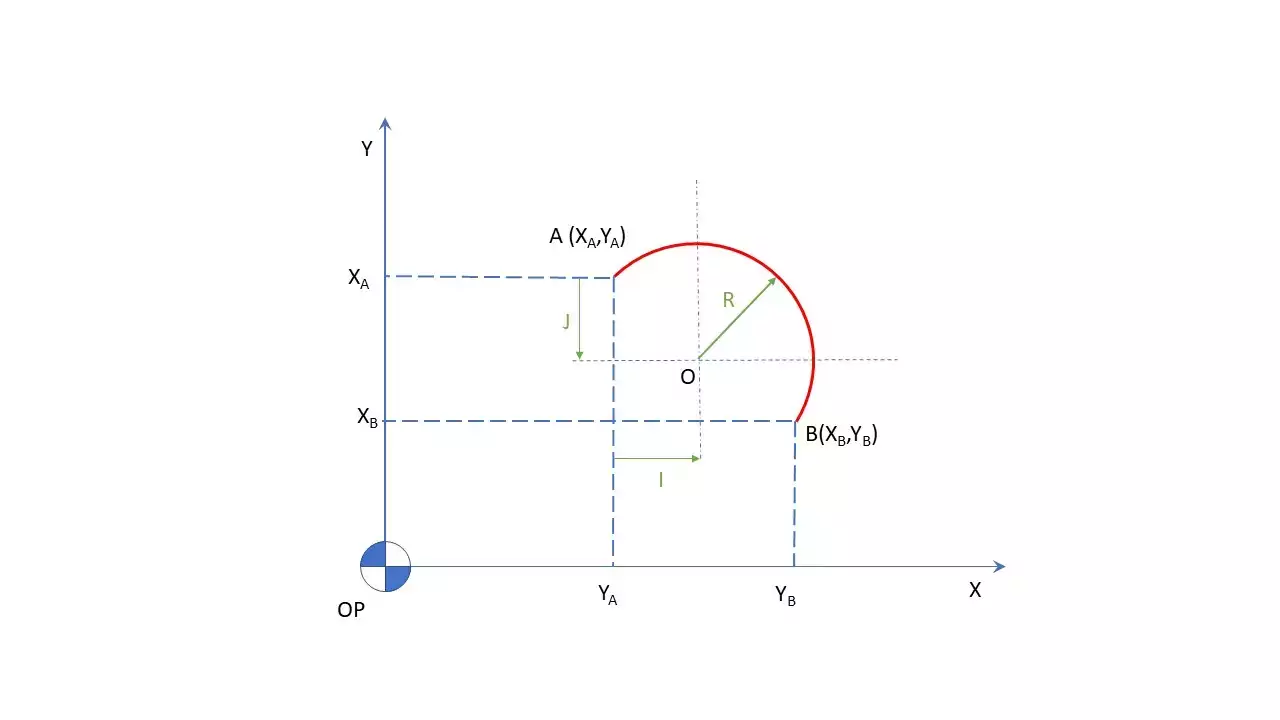
Interpolation is used in CNC programming, to define the path and speed of the cutting tool as it moves along the workpiece. The CNC machine interprets the code and generates the appropriate signals to control the motors and drives that move the axes. 1- Rapid positioning Rapid traverse motion, sometimes called a positioning motion, is… Continue reading Interpolation