

In Computer Numerical Control (CNC) machining, the tool function is a critical aspect that governs how cutting tools are selected, managed, and utilized during the machining process. The tool function ensures that the correct tool is used at the right time for each specific operation, enhancing efficiency, accuracy, and productivity. Below, we will explore what… Continue reading Tool function
Tag: #CNCProgramming
Subprogram

Subprogram is like reusable “mini-program” within your main CNC program. Subprograms help reduce redundancy, save time, and make your code cleaner and easier to manage. Think of them as shortcuts that perform repetitive tasks without having to rewrite the same commands over and over again. In this guide, we’ll explain how to use subprograms with… Continue reading Subprogram
Block skip

In CNC programming, block skip is a feature that allows specific blocks (lines) of the program to be bypassed or skipped during execution. This is particularly useful when you want to temporarily disable certain parts of the program without deleting them entirely. For example, you might use block skip to jump over tool changes, probing… Continue reading Block skip
Plane selection
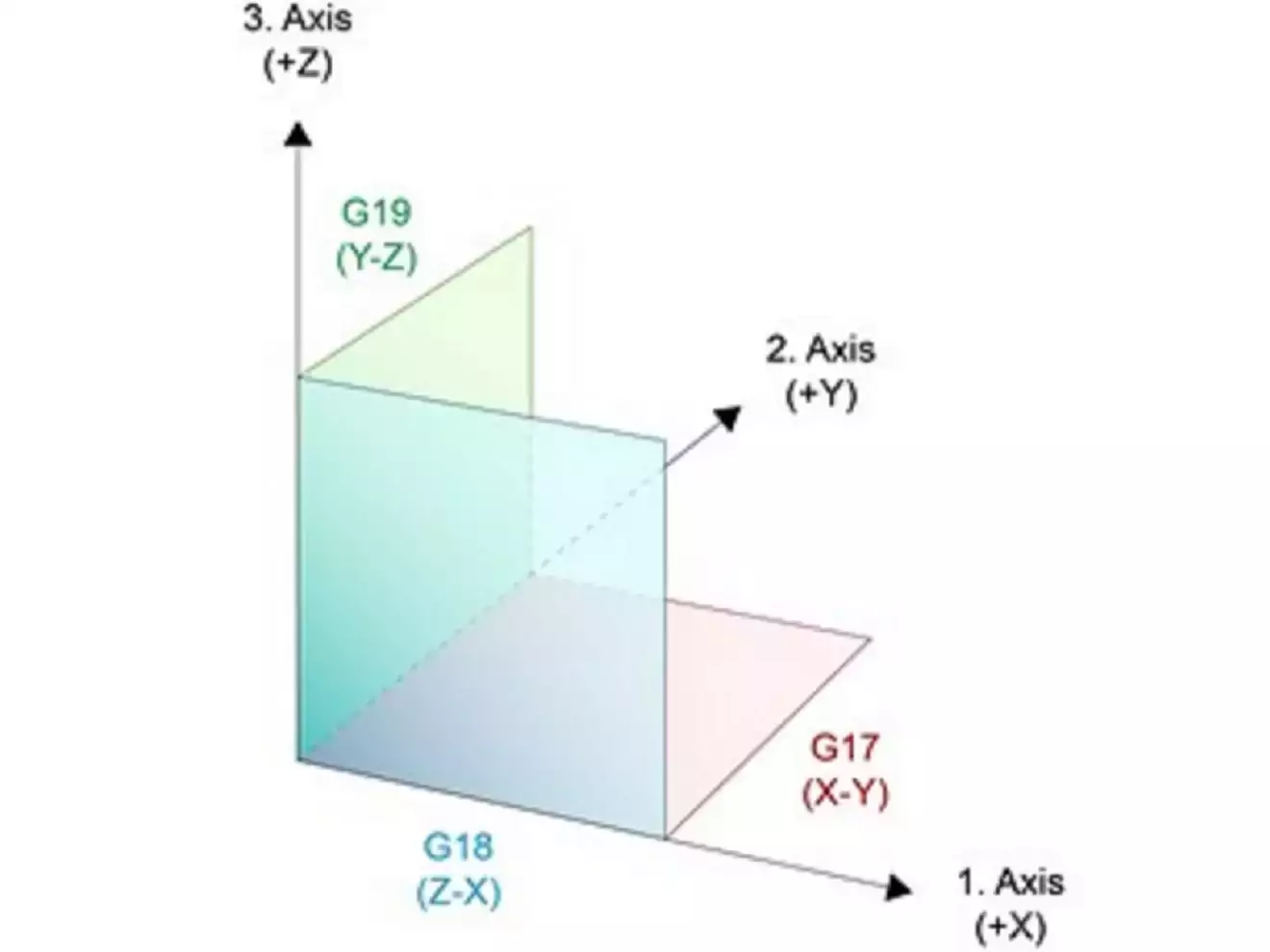
When programming CNC machines, selecting the correct plane is especially critical during circular interpolation operations. While linear movements can often be executed without changing planes, circular interpolations require a specific plane to define the arc’s orientation. This post will explore the importance of plane selection during circular interpolation and provide guidance on how to implement… Continue reading Plane selection
Return to reference position

In CNC (Computer Numerical Control) machining, precision and repeatability are essential for producing high-quality parts. One of the key operations that ensure these qualities is returning the machine to its reference positions. While the most commonly known reference position is the home position or machine zero, CNC machines also support additional reference positions such as… Continue reading Return to reference position
Thread cycle
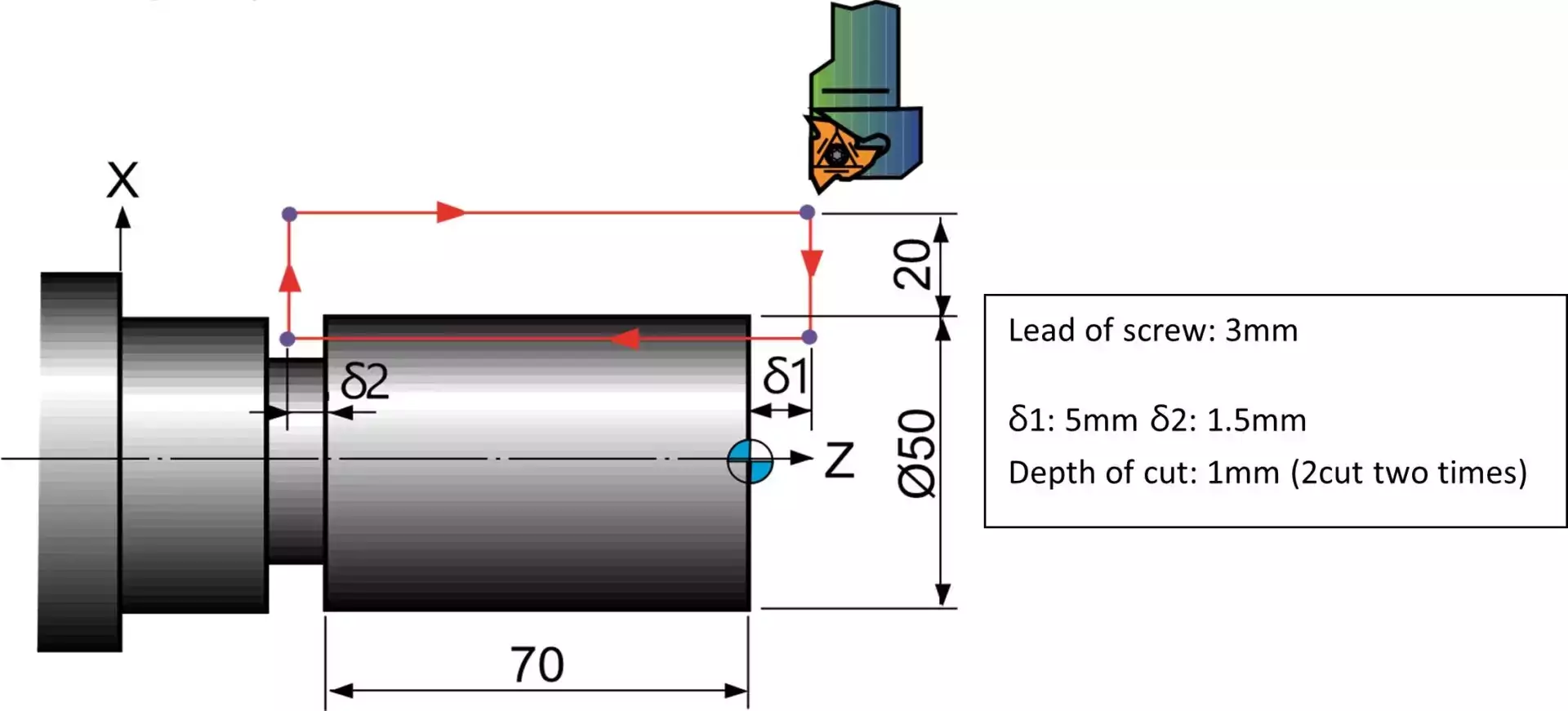
In CNC machining, a thread cycle refers to a pre-programmed sequence of operations used to create internal (tapping) or external threads on a workpiece. These cycles simplify the process of threading by automating repetitive movements, reducing programming time, and ensuring consistency in thread quality. Thread cycles are typically part of the G-code language and are… Continue reading Thread cycle
Drilling cycle
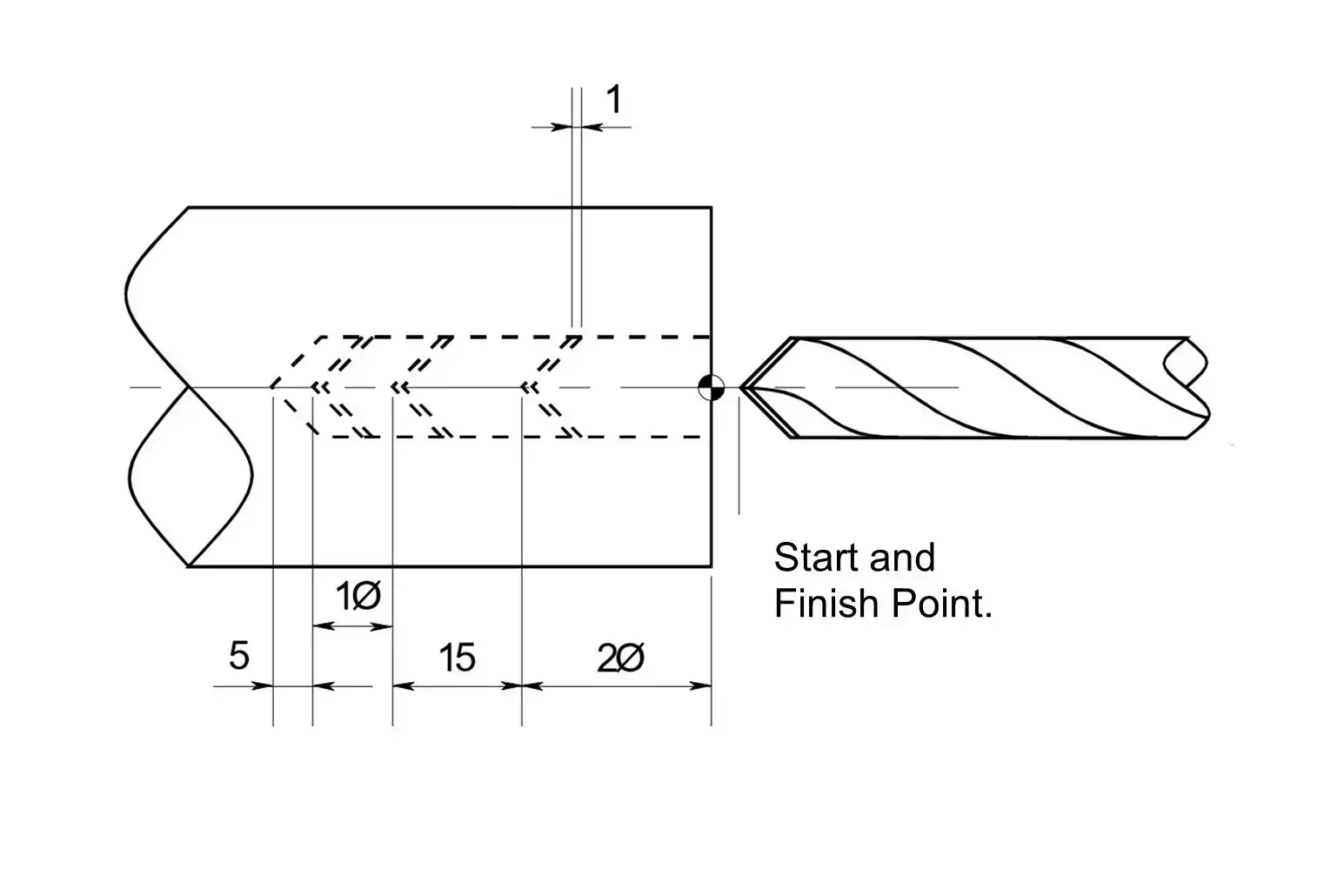
In CNC machining, a drilling cycle refers to a pre-programmed sequence of operations that automates the process of drilling holes into a workpiece. These cycles are designed to simplify programming and improve efficiency by allowing the machine to perform repetitive tasks with minimal input from the operator. The most common drilling cycles are part of… Continue reading Drilling cycle
Cutter compensation

Cutter compensation in CNC (Computer Numerical Control) machines is a crucial feature that ensures precise machining by accounting for the size of the cutting tool. This allows the machine to adjust the tool path so that the final machined part matches the intended design, regardless of the cutter’s diameter. There are two primary types of… Continue reading Cutter compensation
Work offset

In the world of CNC (Computer Numerical Control) machining, precision is paramount. One critical concept that plays a significant role in achieving this precision is Work Offset. Whether you’re a beginner or an experienced machinist, understanding work offsets can greatly enhance your ability to produce accurate and high-quality parts. What is Work Offset? A Work… Continue reading Work offset
DWELL

Understanding the Dwell Function in CNC Machines In CNC (Computer Numerical Control) programming, every command serves a specific purpose to ensure precise and efficient machining. One such command is the Dwell function, which plays a crucial role in controlling the machine’s behavior during operations. Let’s dive into what the Dwell function is, how it works,… Continue reading DWELL
Tool length offset

Tool Length Offset (TLO) in CNC machining is a critical parameter used to account for the varying lengths of different tools in a CNC machine’s tool magazine. Since each tool has a different length, the CNC machine needs to know the exact length of the tool being used to ensure accurate positioning and machining. Purpose… Continue reading Tool length offset
Setting the datum

In engineering and design, a datum is a reference point, line, or surface used to measure other dimensions. It’s crucial for ensuring consistency and accuracy in manufacturing and design. First, the process involves selecting a feature on a part that will serve as the primary reference. This should be a stable and accessible feature. Maybe… Continue reading Setting the datum